I've often wondered what the "perfect" balance or even the "normal" balance of bassists is in an ensemble. Obviously, this is a quirk of orchestral music,where more than one person is playing the same part in a section. If only one person plays on the part, he or she just needs to adjust their volume in order to balance with the rest of the ensemble. I have to admit that there is a lot of freedom to make artistic choices when you are by yourself, including the proper balance of bass with the rest of the ensemble.
In my opinion, a perfect bass section, or any section for that matter, plays exactly together and at the same volume with a similar tone. Not exact clones, but just enough complimentary difference in instruments to create a singular but complex sound. However, there are certain realities that cannot be overcome by the finest players. For example, if there is any ambiguity of the beat, it's usually best for the principal to take charge and play somewhat louder and have the rest of the section play quietly and behind the beat. I always hate it when this happens, but the alternative of a train wreck is much worse. Hopefully, these moments are rare and are cleared up in rehearsal.
Before getting back to my original subject about the size of bass sections, I'd like to preface with an explanation of ratios. I'll use the standard method of "1st violins/2nd violins/violas/cellos/basses", so it might look like "10/9/8/7/6", meaning that there are 6 basses in the section.
Here are some examples of orchestras that I have worked with that have somewhat established ratios:
Grant Park Orchestra:15/13/8/8/7
Elgin Symphony:12/12/7/7/6
Lake Forest Symphony:10/9/8/8/5
Lyric Opera: 12?/12?/9?/7/6
Some ratios are hard to pin down, because some orchestras have a staff of players larger than what is needed all the time. Also, many pieces are played with reduced string sections for various reasons. Normally the Chicago Symphony plays with 8 bassists, but they have 9 on staff. I've played with them when they have used 10 when a composer specified a 10-way divisi in the bass part. (I'll address the merits of that another time.) Often times, when the music is from the classical period, the sections are pared back a bit to perhaps 8/8/6/5/4, and if it's baroque, it might just be 6/6/4/4/2.
It seems like the bass sections tend to be half or "one-less-than-half" of the 1st violins. "One-less-than-half" becomes an very odd ratio as the sections get smaller, but as they say,"the proof is in the pudding" or something like that. Sometimes the piece doesn't need a silky sound of many basses playing quietly, but needs a clear but quiet rhythmic bass line. Sometimes, the hall will favor the bass, sometimes the conductor hates bass, and sometimes some bass players play louder than others.
Last May, this subject of ratios seemed open for debate when I played with the Chicago Opera Theatre last spring. The company presented Mozart's "Don Giovanni" with 6/5/4/3/2, not including extra musicians used in an onstage part.(I was very happy to do the 1-minute long bit onstage.) They also presented the opera "A Flowering Tree" by John Adams, The piece was conducted by John Adams himself, so I believe the ratio of 8/7/6/6/6 was what he wanted. John Adams has a son who plays bass, so maybe he likes bass. Also,his music is rhythmically driven and his bass parts tend to play that way. I've also found a tendency for ballet conductors to request more basses or have the basses play louder, perhaps to get the dancers to follow the music more.
I'd like to hear your comments, and I'd really like to hear about actual ratios. Tell who, what and perhaps, why.
Monday, September 8, 2008
Monday, August 11, 2008
NIU Philharmonic Orchestra seating audition music
Seating auditions at NIU are in just 2 weeks, and since I haven't heard otherwise from the new conductor, Dr. Lucia Matos. http://www.niu.edu/northerntoday/2008/april7/luciamatos.shtml ,
I'm assuming that it will be the repertoire that is on the NIU website:
http://www.niu.edu/Music/ensembles/Audition%20Music/Contrabass%20Fall%2007.pdf
For those of you that would like to see my suggested bowings and fingering, download this version here (2 pages).
http://www.box.net/shared/qk1lkvzn8m
These are not required, but they are strongly recommnended bowings, and the
fingerings are just one of many variations that work for me. I have to apologize for the quality of the handwriting, since it was drawn free-hand with the mouse.
I'm assuming that it will be the repertoire that is on the NIU website:
http://www.niu.edu/Music/ensembles/Audition%20Music/Contrabass%20Fall%2007.pdf
For those of you that would like to see my suggested bowings and fingering, download this version here (2 pages).
http://www.box.net/shared/qk1lkvzn8m
These are not required, but they are strongly recommnended bowings, and the
fingerings are just one of many variations that work for me. I have to apologize for the quality of the handwriting, since it was drawn free-hand with the mouse.
Sleeping Blog Awakens
It's been a long time since I've posted anything here, but I've got plenty of ideas that have been on the back burner. I had been using a crummy laptop to type out my posts, but it's been on the fritz for a while. With the new school year coming up, I've decided to get up to date with bass advice, instruction, discussion, announcements, and stories, all mixed in with my opinions. I'd like to invite anyone to ask me to write my POV on any particular "bass-playing" or "working musician" or "teaching" subject that I may not have explored.
Tuesday, January 29, 2008
An Invitation to Hear the Chicago Bass Ensemble at NIU
The Chicago Bass Ensemble will be performing in DeKalb at Northern Illinois University as the featured artists for the All-School Convocation at 11am on February 14th,2008. This will essentially be a 50 minute concert with a minimal amount of lecture. Although it is a required class for NIU music students, it is also open to the public. I would like to invite anyone who is interested in hearing the unique sonority of 4 double basses to attend.
Bassists Jacque Harper, Michael Hovnanian, and Doug Johnson will join me, John Floeter, in works specifically written for 4 Double Basses by Jan Alm, Seth Boustead, Doug Johnson and Teppo Hauta-aho. We will also present transcriptions of choral works by Hindemith and Orlando di Lasso .
The concert will take place in the Concert Hall of the Music Building, which is located on the northeast corner of campus on Lucinda Ave, between Gilbert Way and the Kishwaukee River. There are some parking meters available near the corner of Gilbert and Lucinda, otherwise you must purchase a permit and park in the parking structure a few blocks from the music department.
Helpful Links:
http://www.niu.edu/visit/parking.shtml
http://www.mapquest.com/maps/map.adp?city=dekalb&state=IL&address=201+carroll+ave&zip=60115&country=us&zoom=10
Bassists Jacque Harper, Michael Hovnanian, and Doug Johnson will join me, John Floeter, in works specifically written for 4 Double Basses by Jan Alm, Seth Boustead, Doug Johnson and Teppo Hauta-aho. We will also present transcriptions of choral works by Hindemith and Orlando di Lasso .
The concert will take place in the Concert Hall of the Music Building, which is located on the northeast corner of campus on Lucinda Ave, between Gilbert Way and the Kishwaukee River. There are some parking meters available near the corner of Gilbert and Lucinda, otherwise you must purchase a permit and park in the parking structure a few blocks from the music department.
Helpful Links:
http://www.niu.edu/visit/parking.shtml
http://www.mapquest.com/maps/map.adp?city=dekalb&state=IL&address=201+carroll+ave&zip=60115&country=us&zoom=10
Sunday, September 16, 2007
New Downloads Section
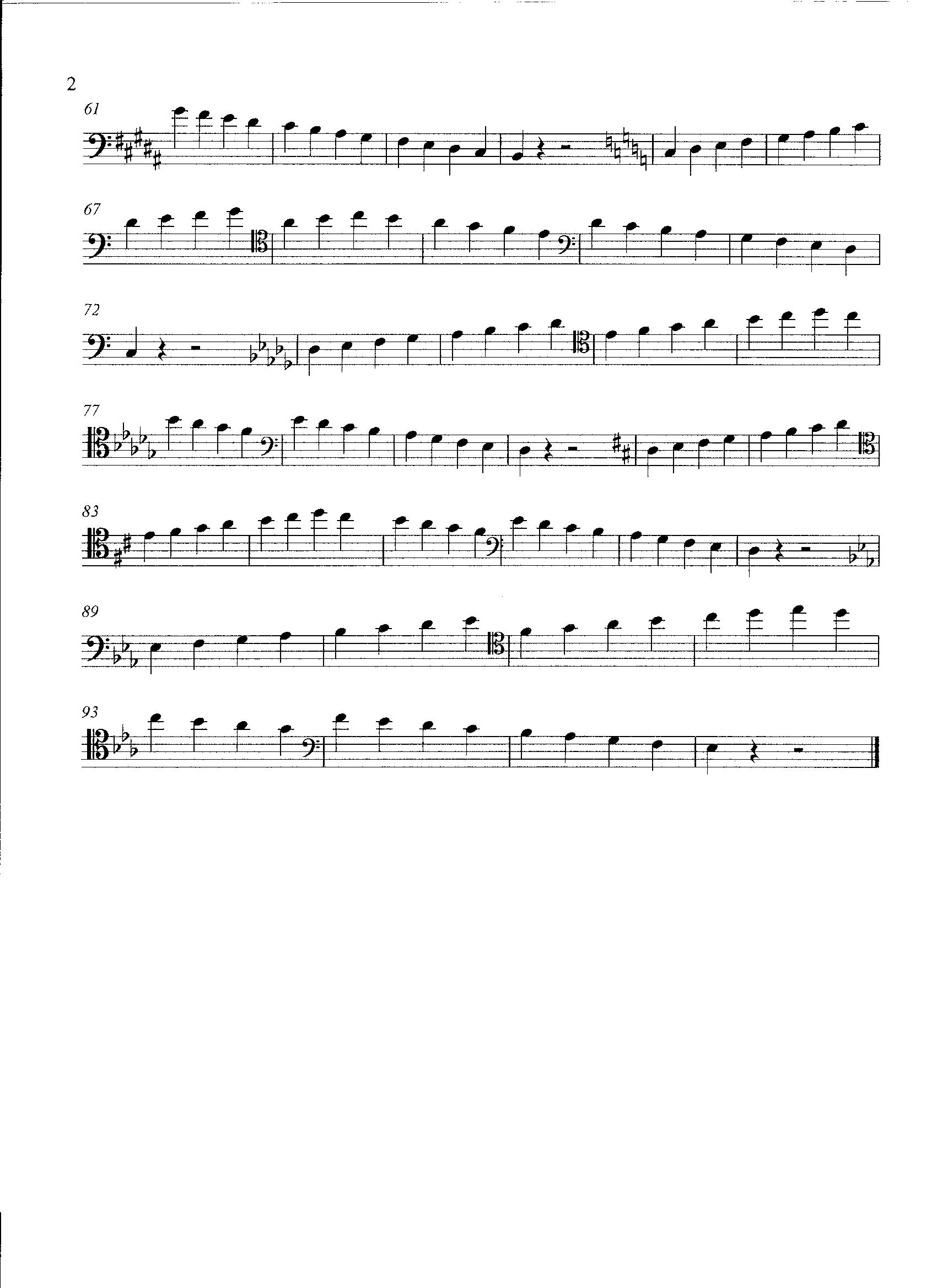
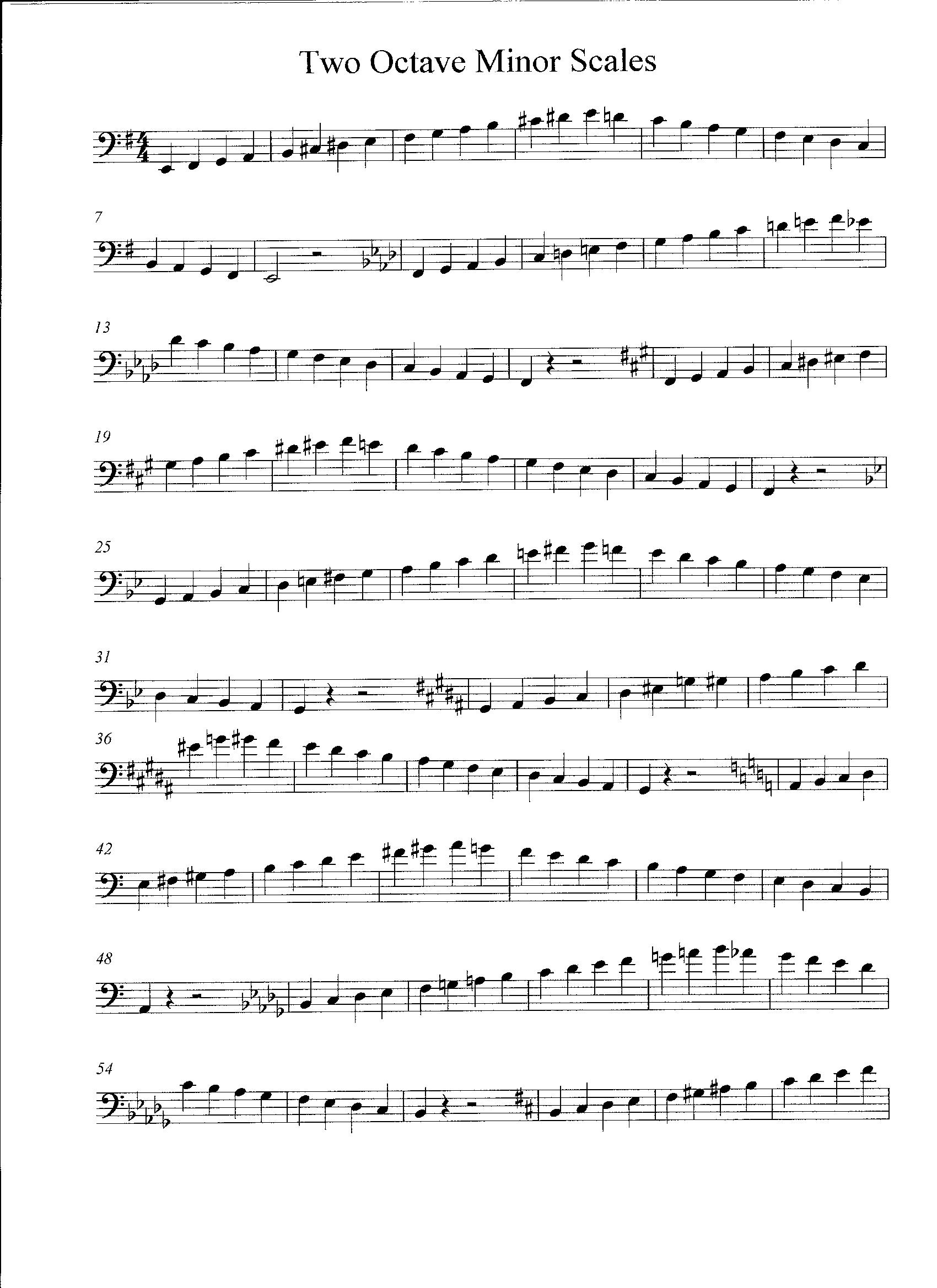
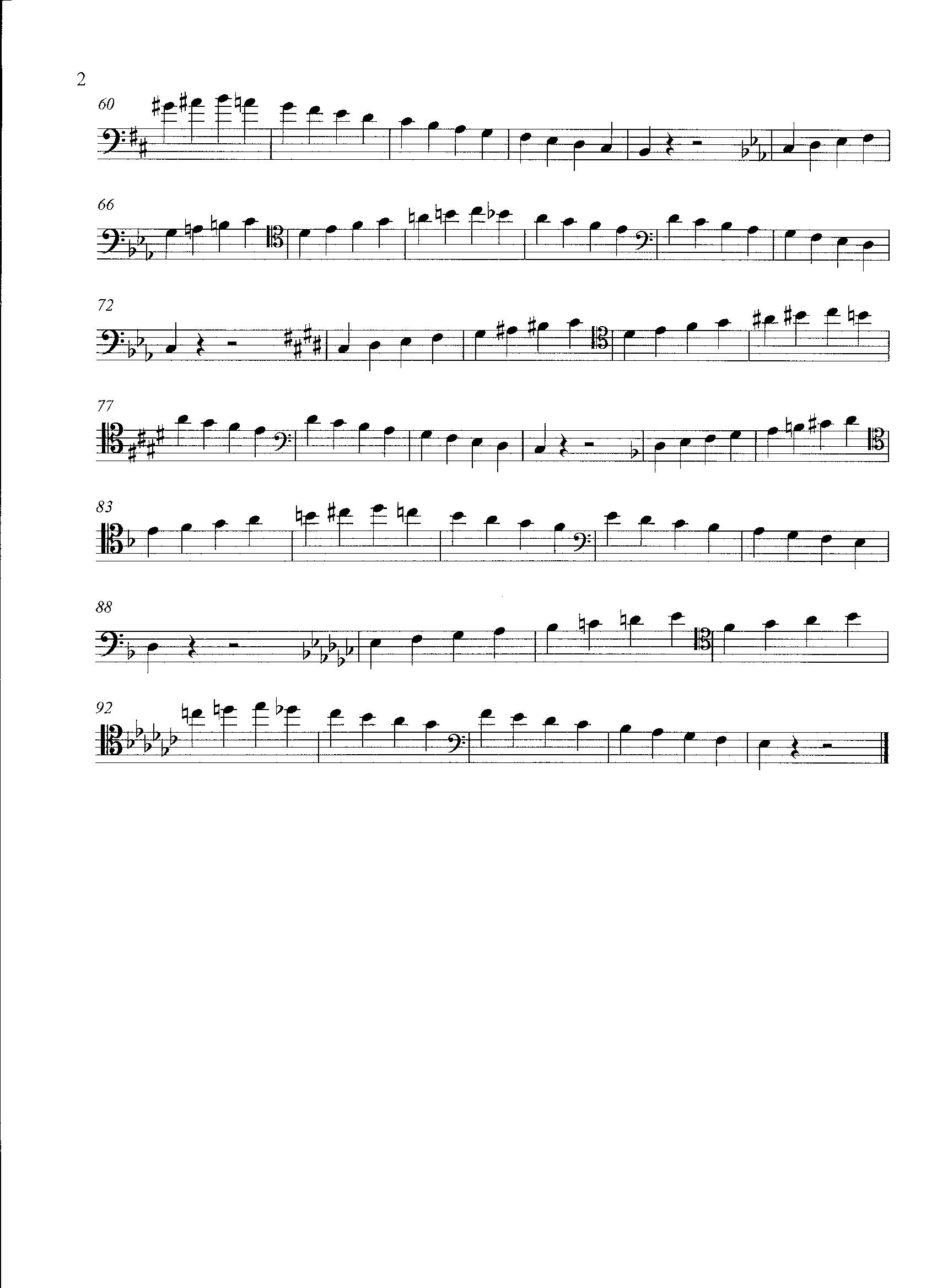
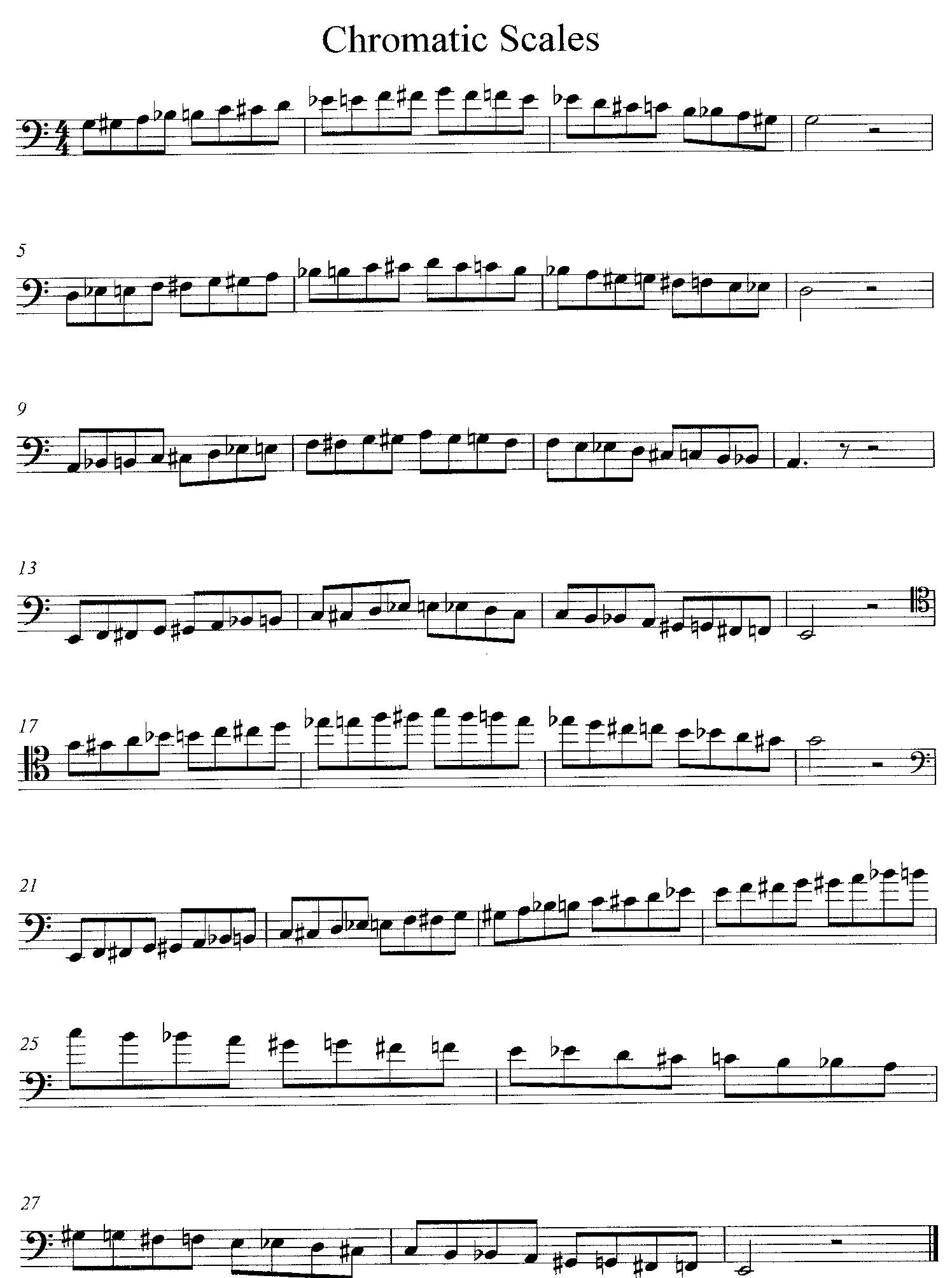
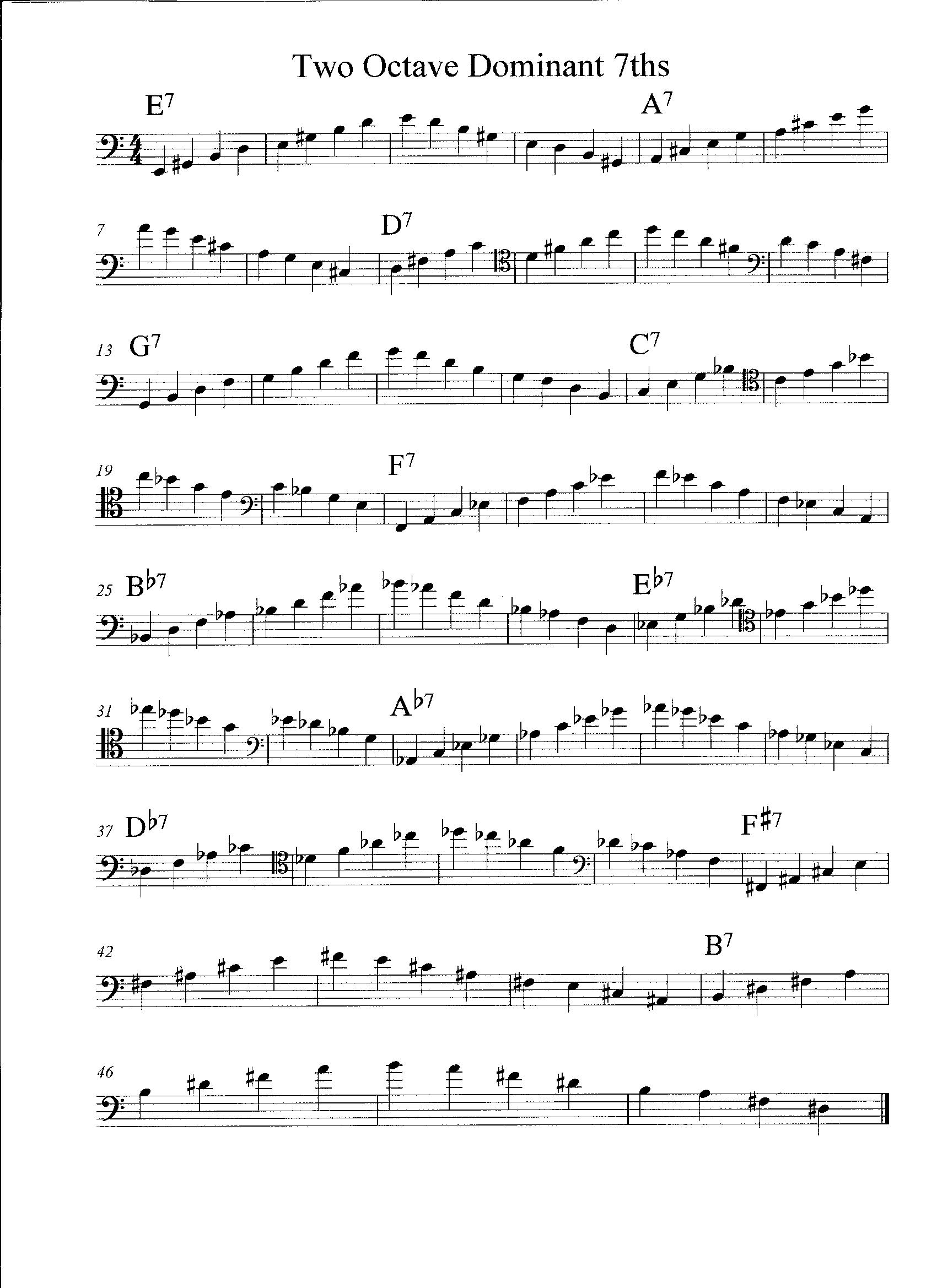
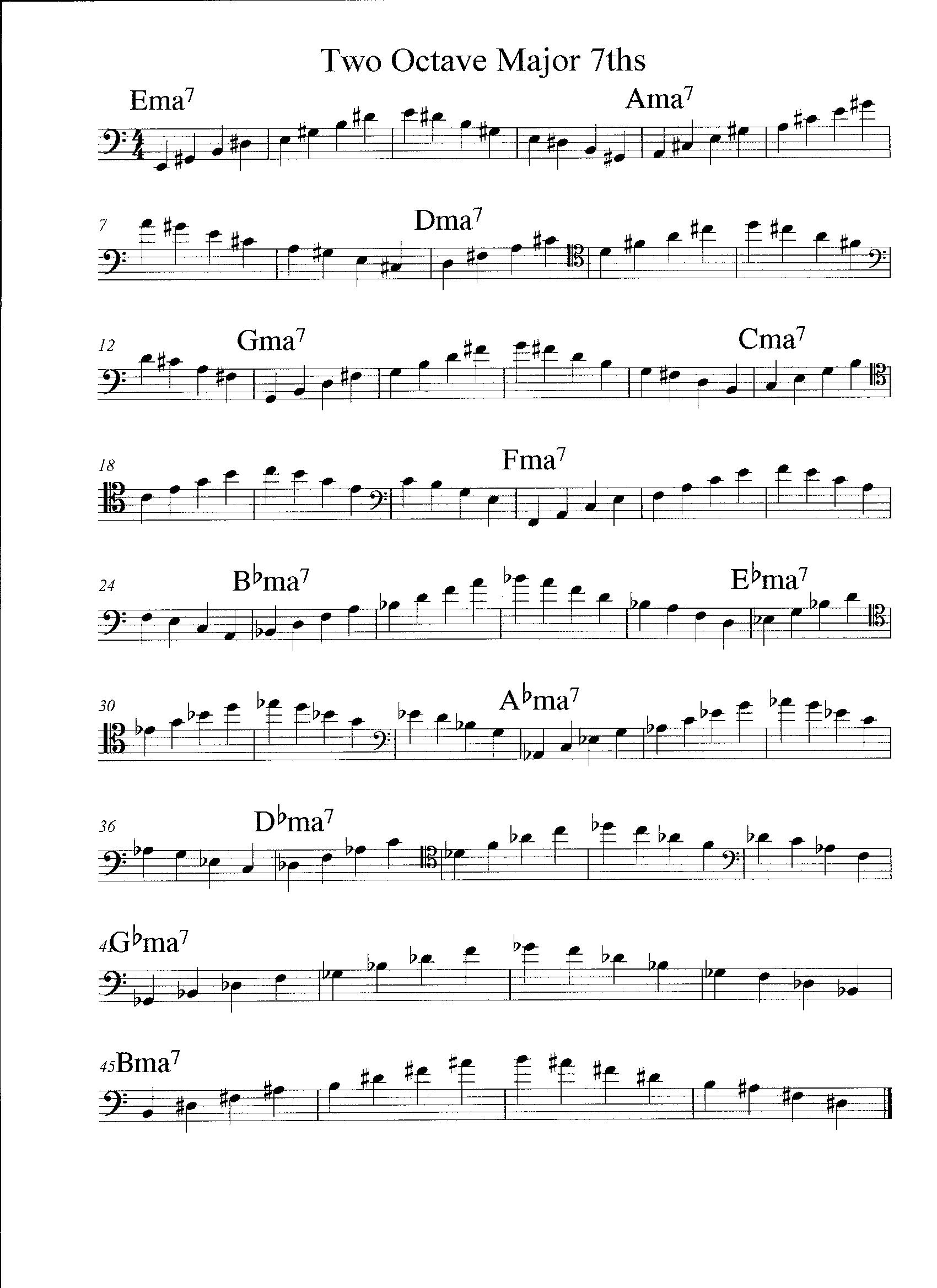
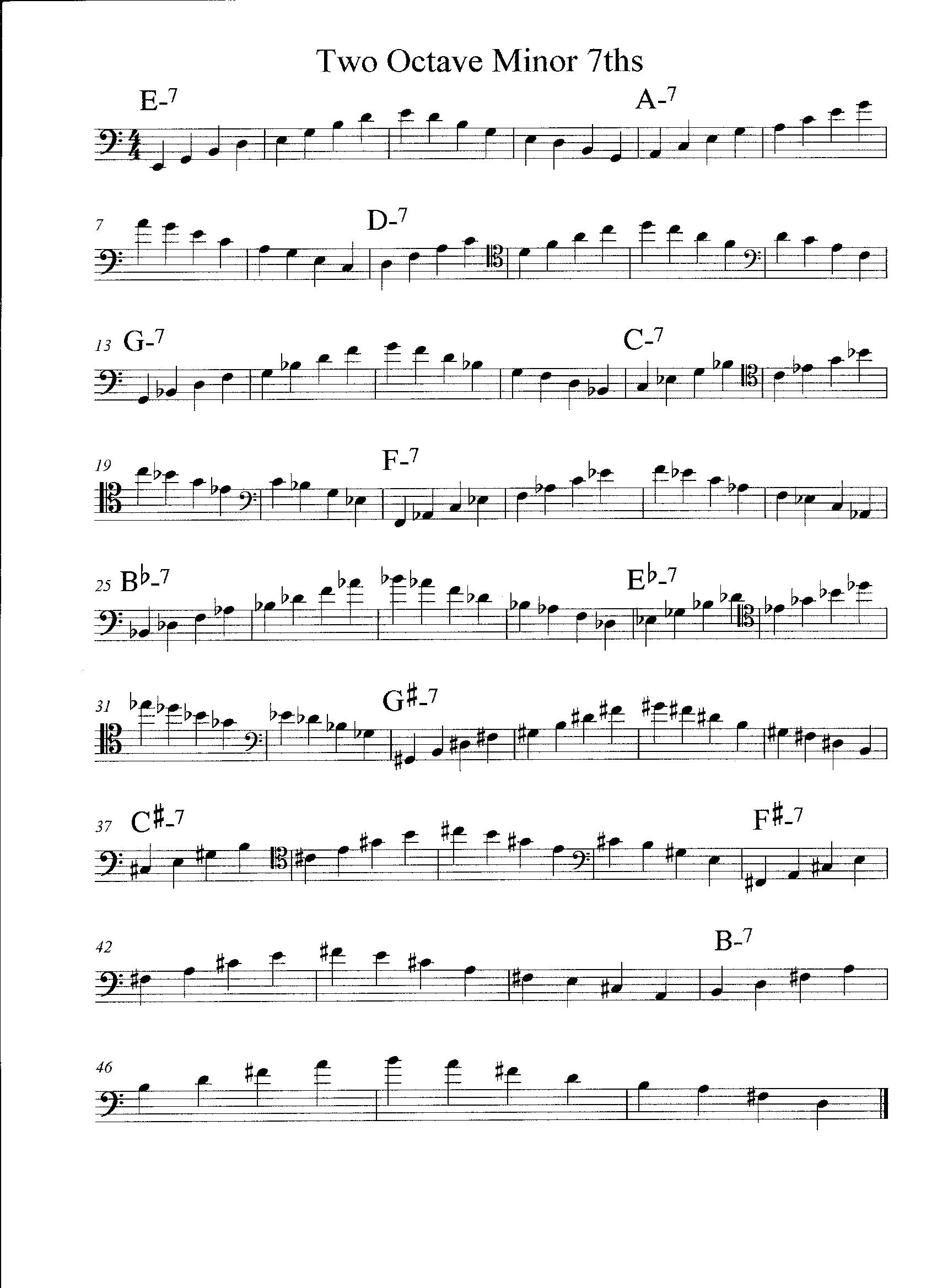
Nothing Earth-shattering here, but I finally put links to download some basic practice tools. So far I just have copies of scales and arpeggios in a raw form without fingerings or bowings. The idea is to create your own variations, but soon I'll post some versions of the scales with some specific fingerings.
Please let me know if you there are any problems with this method of downloads. I'm trying to keep these on a photo site, flickr.com, and the music is in the jpeg format. If it doesn't work, I'll switch to another host and try a pdf format.
Friday, August 31, 2007
Getting in Shape Fast after a Vacation
Wow! I started writing this post almost a month ago. Things got busy, and I put it off while I took care of lots of other stuff. I'd really like to point out in this essay the difference between two distinct types of practice: technique and repertoire.
I'm back from vacation and I'm getting back to practice after almost 2 weeks of not playing the bass. I've had 2 days to get my act together before a double rehearsal with GPO. Fortunately, the repertoire is somewhat familiar. Unfortunately, it's difficult to play. Beethoven's 2nd is fast and tricky, and Mahler's 5th is full of abrupt changes in dynamics and tonality. I've got to get quite a few notes under my fingers pretty quickly, but that's not my biggest problem. The hardest part about recovering from a long break is getting your chops back. I'd almost rather have my technique in top form while I sight-read this stuff than to be fully aware of all the pitfalls that I'm about to succumb to. I really hate this situation, so I'm just going to have to practice my technique from the ground up, but in a short time. I hate to bore you with details, but I want to give idea of a good way to get back in the saddle.
The first thing I'll do is set up with a tuner, a metronome, and a mirror. I want to be careful not to blow all my time with my un-caloused fingers on any one thing, so I try not to dwell on anything for more than 5 minutes. 3 or 4 half-hour sessions is all I can manage on the first day back. After I've tuned the bass, I just want to make sure that everything I'm doing is done correctly, even if it's done very slowly. I might play some easy etude or melody off the top of my head just to relax, but making sure in the mirror that I'm bowing straight, and my shoulders are relaxed. Sure, I've been playing for years, but I still need to check once in a while that I'm holding everything correctly. I'll move on to some scales and long tones, but I won't do it too long-I really have some notes to learn. After 20 or so minutes of rep at a slow speed, I'm done for now. I really don't want to forget my vacation just yet. I repeated the process twice, but played some things faster.
I've got a couple hours worth of music to get down, and it has to be played a lot faster than I'm playing it now. However, I've found that it doesn't help to practice anything beyond the tempo you can play it perfectly, unless you're really just planning to fake it any way. I'm not going to lower my standards, but I do have to have a realistic plan for getting through the next concert. Quite often, I may only get a passage up to 3/4 speed in the practice room, but the adrenalin of a rehearsal or concert plus an extra cup of coffee will bring it up to speed on the spot. It may or may not be as clean as the slow, relaxed version of the practice room, but it's what I have now.
It's really important that you remember the value of playing correctly, even if it has to be sooo sloooow just to get it right. I've worked up some incredibly difficult modern pieces that I never thought would make it up to the proper speed, but it seems like if I can get it correct at half-speed, the vast majority of my work is done. After a few days, my fingers feel pretty good and I'm ready for the regular routines of practice. I think long technique sessions are probably a good idea, but I think it's also a good idea to spend 10 minutes or so on it at the beginning middle or end of every 30 minute practice burst.
I'm back from vacation and I'm getting back to practice after almost 2 weeks of not playing the bass. I've had 2 days to get my act together before a double rehearsal with GPO. Fortunately, the repertoire is somewhat familiar. Unfortunately, it's difficult to play. Beethoven's 2nd is fast and tricky, and Mahler's 5th is full of abrupt changes in dynamics and tonality. I've got to get quite a few notes under my fingers pretty quickly, but that's not my biggest problem. The hardest part about recovering from a long break is getting your chops back. I'd almost rather have my technique in top form while I sight-read this stuff than to be fully aware of all the pitfalls that I'm about to succumb to. I really hate this situation, so I'm just going to have to practice my technique from the ground up, but in a short time. I hate to bore you with details, but I want to give idea of a good way to get back in the saddle.
The first thing I'll do is set up with a tuner, a metronome, and a mirror. I want to be careful not to blow all my time with my un-caloused fingers on any one thing, so I try not to dwell on anything for more than 5 minutes. 3 or 4 half-hour sessions is all I can manage on the first day back. After I've tuned the bass, I just want to make sure that everything I'm doing is done correctly, even if it's done very slowly. I might play some easy etude or melody off the top of my head just to relax, but making sure in the mirror that I'm bowing straight, and my shoulders are relaxed. Sure, I've been playing for years, but I still need to check once in a while that I'm holding everything correctly. I'll move on to some scales and long tones, but I won't do it too long-I really have some notes to learn. After 20 or so minutes of rep at a slow speed, I'm done for now. I really don't want to forget my vacation just yet. I repeated the process twice, but played some things faster.
I've got a couple hours worth of music to get down, and it has to be played a lot faster than I'm playing it now. However, I've found that it doesn't help to practice anything beyond the tempo you can play it perfectly, unless you're really just planning to fake it any way. I'm not going to lower my standards, but I do have to have a realistic plan for getting through the next concert. Quite often, I may only get a passage up to 3/4 speed in the practice room, but the adrenalin of a rehearsal or concert plus an extra cup of coffee will bring it up to speed on the spot. It may or may not be as clean as the slow, relaxed version of the practice room, but it's what I have now.
It's really important that you remember the value of playing correctly, even if it has to be sooo sloooow just to get it right. I've worked up some incredibly difficult modern pieces that I never thought would make it up to the proper speed, but it seems like if I can get it correct at half-speed, the vast majority of my work is done. After a few days, my fingers feel pretty good and I'm ready for the regular routines of practice. I think long technique sessions are probably a good idea, but I think it's also a good idea to spend 10 minutes or so on it at the beginning middle or end of every 30 minute practice burst.
Tuesday, July 24, 2007
Vacation Time
I'm taking a little vacation, and I don't expect to put up any new posts until I'm back. Check back in the 2nd week in August, and I should have some new stories, thoughts, and practice ideas.
Thursday, July 19, 2007
Curmudgeon
I'm not a curmudgeon, but I guess I am a snob. I do like to have fun and hope everyone has good times too. Nevertheless, I don't want to rain on any one's parade. I just played a concert with the Grant Park Orchestra with guest artists, The Decemberists. Not a bad band actually. Decent tunes, lots of fun, good orchestra arrangements. Nothing really virtuostic from the band, and nothing hard or boring either for the orchestra.
I have to admit my problem is when more than a few people I know think that I must be very excited to play this kind of concert. Well, no I'm not. I'm sure my friends in the audience had a good time, and I'd probably enjoy the whole thing if I were out there too. But I'm on stage, where the lyrics are unintelligible,(I was rather pleased that the band chose to go with "in the ear" monitors) the sound is so loud I can't hear myself, and I feel very unimportant in the entire endeavor.
I've played lots of rock concerts in the backup orchestra, and usually it's a very uncomfortable experience with repetitive parts, deafening sound despite earplugs, and probably worst of all; the feeling that what I play doesn't matter. But I try to suck it up and go on. I'm a hired gun. Do the job you're getting paid to do, or just get out of this business.
I can't exactly cherry-pick the kinds of concerts I'll play. What I play with GPO is part of the whole package of their season, and my profession for that matter. I try to steer my schedule to the kinds of concerts that I enjoy playing, and on some level, I do enjoy playing "pops" concerts like this one. But when someone asks me a direct question out of the blue about whether I'm looking forward to the concert with the famous rock stars, the first quick answer that comes to mind is "No". But if I could elaborate: I look forward to you having a good time, and I'd like to invite you to come again, perhaps one of "my" concerts. Most of the stuff that I play, I hope the audience finds interesting, exciting, and moving, and hopefully entertaining. What I enjoy about "my" concerts is that I am fully engaged, prepared, in control, and effective. There's something much more satisfying for me if I'm playing something that is the result of years of education, experience, hours of practice, and moments of mental challenge, and a true interaction between myself, other musicians and the audience. I know that art music can be more challenging for an audience, but ultimately it can be more rewarding.
Pops concerts tend to attract new audience members, and the goal is to encourage them to return to an arts program at a later date. Some folks would say that last night's concert was a success with 15 to 20,000 people there, while others would say we're selling out. I wish the orchestra could have at least played a little overture so that we would seem more like the host rather than the guest at this concert.
I'm not sure I want to play heavy, challenging music all the time. This week we're also playing another easy concert program which consists of Bernstein's Broadway music. Again, many friends of mine will attend this concert. They'll love it, and I'll probably enjoy hearing as we play it. But it's a mental vacation for me, and this concert requires no extra preparation on my part. The orchestra can just sight-read through this stuff, and the rehearsals are mostly to get the tempos right. Am I looking forward to the concert? No, but I'm looking forward to having an easy week.
I have to admit my problem is when more than a few people I know think that I must be very excited to play this kind of concert. Well, no I'm not. I'm sure my friends in the audience had a good time, and I'd probably enjoy the whole thing if I were out there too. But I'm on stage, where the lyrics are unintelligible,(I was rather pleased that the band chose to go with "in the ear" monitors) the sound is so loud I can't hear myself, and I feel very unimportant in the entire endeavor.
I've played lots of rock concerts in the backup orchestra, and usually it's a very uncomfortable experience with repetitive parts, deafening sound despite earplugs, and probably worst of all; the feeling that what I play doesn't matter. But I try to suck it up and go on. I'm a hired gun. Do the job you're getting paid to do, or just get out of this business.
I can't exactly cherry-pick the kinds of concerts I'll play. What I play with GPO is part of the whole package of their season, and my profession for that matter. I try to steer my schedule to the kinds of concerts that I enjoy playing, and on some level, I do enjoy playing "pops" concerts like this one. But when someone asks me a direct question out of the blue about whether I'm looking forward to the concert with the famous rock stars, the first quick answer that comes to mind is "No". But if I could elaborate: I look forward to you having a good time, and I'd like to invite you to come again, perhaps one of "my" concerts. Most of the stuff that I play, I hope the audience finds interesting, exciting, and moving, and hopefully entertaining. What I enjoy about "my" concerts is that I am fully engaged, prepared, in control, and effective. There's something much more satisfying for me if I'm playing something that is the result of years of education, experience, hours of practice, and moments of mental challenge, and a true interaction between myself, other musicians and the audience. I know that art music can be more challenging for an audience, but ultimately it can be more rewarding.
Pops concerts tend to attract new audience members, and the goal is to encourage them to return to an arts program at a later date. Some folks would say that last night's concert was a success with 15 to 20,000 people there, while others would say we're selling out. I wish the orchestra could have at least played a little overture so that we would seem more like the host rather than the guest at this concert.
I'm not sure I want to play heavy, challenging music all the time. This week we're also playing another easy concert program which consists of Bernstein's Broadway music. Again, many friends of mine will attend this concert. They'll love it, and I'll probably enjoy hearing as we play it. But it's a mental vacation for me, and this concert requires no extra preparation on my part. The orchestra can just sight-read through this stuff, and the rehearsals are mostly to get the tempos right. Am I looking forward to the concert? No, but I'm looking forward to having an easy week.
Sunday, July 15, 2007
Practice Organization: Making a Good Sound
I've often thought that playing any musical instrument is a juggling act of many skills and it's impossible to get everything right. But I usually strive for perfection, whether I get there or not. It does help to have certain hierarchy of priorities with rhythm and intonation at the top.
One of the most overlooked aspects of playing is the attention to tone. Often, bass players are so physically involved in playing the instrument, that the quality or appropriateness of their own tone is the last thing they'll think about. Here's a news flash: it's one of the first things that listeners pay attention to. This is particularly true if the bass is played in a solo situation, such as recitals, auditions, chamber music, juries, and those times the conductor wants to hear the basses alone.
Tone is subjective, and you have to decide for yourself what you think is good (or appropriate). But what the player hears and the listener hears are very different, so it's a good idea to have someone you can trust to give you an idea what you sound like. Some good recording equipment can help, too.
Before I try to define a good tone, I'll try to explain how to manipulate tone. Whatever sound you get from the bow rubbing across the string should be consistent from frog to tip. In order to keep it consistent, the following 3 things should also be consistent:
Pressure
Placement
Speed
In order to keep the resulting pressure of the bow on the string, we need to press harder at the tip and less at the frog.
The placement refers to the place on the string where the bow makes contact, keeping the distance from the bridge the same throughout the bow stroke.
When the bow speed is unchanged from attack to release, we avoid the swell of sound in the middle of the stroke.
When we play actual music, this is a real challenge because we need to change the placement depending on the ideal place for each note. We may need to press harder or speed up the bow down because of a crescendo, or we just want to get the bow back to the frog for an accented note. We might play a little closer to the bridge than is ideal because we want to be in the sweet spot for the next high note. In reality, we will move around, but it's part of the compromise process. It's one of the reason we call this an "art".
When I try to have an ideal practice session, the first thing I'll do is tune, maybe play a few familiar riffs, and get down to the first order of real business: Long Tones. I'll usually use a midi setup(I promise to explain midi soon), but at least use a metronome and an electronic tuner in this process.
Set the metronome to the slow speed, (no more than 80, and down to 20 if it goes that low) and play each note of a scale for 4 counts. You should run the entire range of the instrument, but it might be the best use of your time if you limit the range to the pieces you are actually playing. Play each note as loud as you can,which may not be very loud, throughout the entire stroke. The pressure, placement and speed should remain the same throughout the stroke.
You will notice that the bow is more efficient on the lowest notes. As you go up in the range you may need to go for fewer or faster counts, and place the bow closer to the bridge because the string length you are playing on is shorter and thinner. The object here is to get each bow stroke to be consistent within itself in regard to tone and volume. The next challenge is to perfectly connect the notes at the bow change, not to mention playing in tune at each shift and string cross.
I can't say what is a good sound, but I think we should develop the skill of playing with different tones, and know how to make the changes when called for. Try a faster stroke with less pressure, and a placement far from the bridge for a loud but easily blending sound. Practice playing very softly with very little hair on the string. But really concentrate on that slow stroke with lots of pressure near the bridge, and see if you can get a bright, loud and pleasing tone in one efficient stroke. You may not need to press as hard as you think, but you do have to be very consistent.
When you practice this, keep in mind that you are pushing the limits; the limits of good taste, and your physical limits. Expect to have some failure at both, otherwise you're not really pushing it. Also, don't really think of it as failure, but a discovery of where the limits are.
One of the most overlooked aspects of playing is the attention to tone. Often, bass players are so physically involved in playing the instrument, that the quality or appropriateness of their own tone is the last thing they'll think about. Here's a news flash: it's one of the first things that listeners pay attention to. This is particularly true if the bass is played in a solo situation, such as recitals, auditions, chamber music, juries, and those times the conductor wants to hear the basses alone.
Tone is subjective, and you have to decide for yourself what you think is good (or appropriate). But what the player hears and the listener hears are very different, so it's a good idea to have someone you can trust to give you an idea what you sound like. Some good recording equipment can help, too.
Before I try to define a good tone, I'll try to explain how to manipulate tone. Whatever sound you get from the bow rubbing across the string should be consistent from frog to tip. In order to keep it consistent, the following 3 things should also be consistent:
Pressure
Placement
Speed
In order to keep the resulting pressure of the bow on the string, we need to press harder at the tip and less at the frog.
The placement refers to the place on the string where the bow makes contact, keeping the distance from the bridge the same throughout the bow stroke.
When the bow speed is unchanged from attack to release, we avoid the swell of sound in the middle of the stroke.
When we play actual music, this is a real challenge because we need to change the placement depending on the ideal place for each note. We may need to press harder or speed up the bow down because of a crescendo, or we just want to get the bow back to the frog for an accented note. We might play a little closer to the bridge than is ideal because we want to be in the sweet spot for the next high note. In reality, we will move around, but it's part of the compromise process. It's one of the reason we call this an "art".
When I try to have an ideal practice session, the first thing I'll do is tune, maybe play a few familiar riffs, and get down to the first order of real business: Long Tones. I'll usually use a midi setup(I promise to explain midi soon), but at least use a metronome and an electronic tuner in this process.
Set the metronome to the slow speed, (no more than 80, and down to 20 if it goes that low) and play each note of a scale for 4 counts. You should run the entire range of the instrument, but it might be the best use of your time if you limit the range to the pieces you are actually playing. Play each note as loud as you can,which may not be very loud, throughout the entire stroke. The pressure, placement and speed should remain the same throughout the stroke.
You will notice that the bow is more efficient on the lowest notes. As you go up in the range you may need to go for fewer or faster counts, and place the bow closer to the bridge because the string length you are playing on is shorter and thinner. The object here is to get each bow stroke to be consistent within itself in regard to tone and volume. The next challenge is to perfectly connect the notes at the bow change, not to mention playing in tune at each shift and string cross.
I can't say what is a good sound, but I think we should develop the skill of playing with different tones, and know how to make the changes when called for. Try a faster stroke with less pressure, and a placement far from the bridge for a loud but easily blending sound. Practice playing very softly with very little hair on the string. But really concentrate on that slow stroke with lots of pressure near the bridge, and see if you can get a bright, loud and pleasing tone in one efficient stroke. You may not need to press as hard as you think, but you do have to be very consistent.
When you practice this, keep in mind that you are pushing the limits; the limits of good taste, and your physical limits. Expect to have some failure at both, otherwise you're not really pushing it. Also, don't really think of it as failure, but a discovery of where the limits are.
Sunday, July 8, 2007
Answering My Mail
It's been a very busy couple of weeks for me, but I hope no one missed out on a "Cyberlesson" over the last 2 weeks. I think I'll retire those since I'm not really sure anyone is interested or if they're helpful. I'll bring them back if anyone is interested, but I think I'll just give occasional practice suggestions for now. I really need to explain the whole "midi" thing that I do. I'm in the process of putting together a more organized version of practice techniques which will have more installments and detailed descriptions. I don't expect to re-invent the wheel, but I think every teacher has their own perspective and I want to clarify mine for my students' and my own benefit.
I've had a couple of emails and comments from readers that I'd like to respond to here:
elting said...
i'm very interrested in your following tips for practicing. sometimes my small finger is aching and i have to stop. so i'll hope to get good impressions for me to improve my efficiency.
bye elting
My response:
I think it's important to distinguish between pain and fatigue. If it's pain, you should stop playing, and figure out what you're doing wrong. You don't want to injure yourself. If it's fatigue, that's just part of the process of getting stronger. It is important to keep your hand position correct at all times, so you should be cautious that fatigue does not lead to pain and injury.
I think you should examine how your left hand is working when you play. Be sure that the 3rd finger and 4th finger work together as one, like one big fat finger. The 4th finger should rarely be used by itself. I also think that the 3rd finger needs to press the string down fully on the fingertip, and the 4th finger has less work to do to "tune up" the string where it makes contact. Be sure your hand and fingers are all curving in the same direction in the shape of the letter"C". When you let any of your finger joints collapse in the wrong direction, this will lead to fatigue, pain and injury, and be ineffective in pressing the string fully to the fingerboard for the best tone and most consistent pitch.
Here's another email:
I'm a community orchestra section player in Maryland and have enjoyed reading your blog. In the most recent post, you mentioned building in a component of Bach in one's practice time. I was wondering if you've ever seen a collection of bass parts from the cantatas anywhere in print, and if so, whether this might qualify as fodder for an intermediate student? I am trying to nudge away from my teacher's steady and unrelenting diet of Simandl and Slama etudes, some of which I find profoundly lacking in musicality. Suggestions very much appreciated.
My response:
I too find the Simandl etudes a bit dry, stultifying actually.
When I originally mentioned practicing Bach, I was referring to the Solo-suites for 'Cello, transcribed for double bass. If you're new to these, I'd recommend the Sterling edition, published by Peters. However, I know of another bass player who likes to use Bach cantata parts for a warm-up. I'm not sure where you can pick up parts for those, but you can get Oscar Zimmerman's Complete Double Bass parts to Selected Works of J.S. Bach if you want to get a quick collection of great music for warm ups written by one of the greatest composers who ever lived. If you don't know where to get it, go to lemurmusic.com .
I've had a couple of emails and comments from readers that I'd like to respond to here:
elting said...
i'm very interrested in your following tips for practicing. sometimes my small finger is aching and i have to stop. so i'll hope to get good impressions for me to improve my efficiency.
bye elting
My response:
I think it's important to distinguish between pain and fatigue. If it's pain, you should stop playing, and figure out what you're doing wrong. You don't want to injure yourself. If it's fatigue, that's just part of the process of getting stronger. It is important to keep your hand position correct at all times, so you should be cautious that fatigue does not lead to pain and injury.
I think you should examine how your left hand is working when you play. Be sure that the 3rd finger and 4th finger work together as one, like one big fat finger. The 4th finger should rarely be used by itself. I also think that the 3rd finger needs to press the string down fully on the fingertip, and the 4th finger has less work to do to "tune up" the string where it makes contact. Be sure your hand and fingers are all curving in the same direction in the shape of the letter"C". When you let any of your finger joints collapse in the wrong direction, this will lead to fatigue, pain and injury, and be ineffective in pressing the string fully to the fingerboard for the best tone and most consistent pitch.
Here's another email:
I'm a community orchestra section player in Maryland and have enjoyed reading your blog. In the most recent post, you mentioned building in a component of Bach in one's practice time. I was wondering if you've ever seen a collection of bass parts from the cantatas anywhere in print, and if so, whether this might qualify as fodder for an intermediate student? I am trying to nudge away from my teacher's steady and unrelenting diet of Simandl and Slama etudes, some of which I find profoundly lacking in musicality. Suggestions very much appreciated.
My response:
I too find the Simandl etudes a bit dry, stultifying actually.
When I originally mentioned practicing Bach, I was referring to the Solo-suites for 'Cello, transcribed for double bass. If you're new to these, I'd recommend the Sterling edition, published by Peters. However, I know of another bass player who likes to use Bach cantata parts for a warm-up. I'm not sure where you can pick up parts for those, but you can get Oscar Zimmerman's Complete Double Bass parts to Selected Works of J.S. Bach if you want to get a quick collection of great music for warm ups written by one of the greatest composers who ever lived. If you don't know where to get it, go to lemurmusic.com .
Monday, June 25, 2007
Organizing Practice Time: an Overview
I'd like to give a full explanation of my approach to practice, preparation, and conditioning, but today I'll just give an overview and explain the details in future posts.
It's generally understood that musicians need to spend a a considerable amount practicing their instrument if they are going to be any good. It's less understood how the time should be spent. To recycle some old sayings, "It's quality, not quantity", and "Practice makes perfect, but only if you practice perfectly."
Unless I'm preparing for a recital or an audition, I rarely practice more than an hour and a half in addition to a rehearsal and performance schedule. I would practice more, but I do have to stop when I risk physical fatigue and overuse. With the limitation of time, I need to be organized, efficient and goal oriented. Hopefully, I have some time left over just to play for the enjoyment of playing. However,not all practice is physical. I can accomplish quite a bit without the bass in my hands, by studying the music and phrasing, or going through the mental process of learning the rhythms and bowings.
Practice Organization
I divide practice into two large categories, technique and repertoire. Within these two categories are many subcategories.
Technique Goals: physical strength, speed, accuracy, AND mental strength speed and accuracy. With the physical goals, we are running our bodies through the paces so we are consistent in our playing. With the mental goals, we are conditioning our musical perception of music in terms of pitch, rhythm, and harmonic understanding.
Repertoire Goals: I try to balance between orchestral, solo, and Bach. Lately, I've been having to make room for bass quartet music. Years ago I used to reserve time to learn jazz tunes, its physical techniques, and scales.
It's important to use practice time wisely. If you tend to play something incorrectly in your practice, you will have that same tendency in your playing in performance. Don't practice beyond the point of fatigue. If you can only manage to play an exhausting passage for just 5 minutes at a time, move on to something else and just come back to it more often. When I have a lot on my plate, I'll start up a new practice log and a "to-do" checklist. Sometimes I'll even keep track of the minutes I've spent on a passage-it might help me decide to go back to something when I know I felt like giving up after just a few minutes.
I'll get into more detail in future posts.
It's generally understood that musicians need to spend a a considerable amount practicing their instrument if they are going to be any good. It's less understood how the time should be spent. To recycle some old sayings, "It's quality, not quantity", and "Practice makes perfect, but only if you practice perfectly."
Unless I'm preparing for a recital or an audition, I rarely practice more than an hour and a half in addition to a rehearsal and performance schedule. I would practice more, but I do have to stop when I risk physical fatigue and overuse. With the limitation of time, I need to be organized, efficient and goal oriented. Hopefully, I have some time left over just to play for the enjoyment of playing. However,not all practice is physical. I can accomplish quite a bit without the bass in my hands, by studying the music and phrasing, or going through the mental process of learning the rhythms and bowings.
Practice Organization
I divide practice into two large categories, technique and repertoire. Within these two categories are many subcategories.
Technique Goals: physical strength, speed, accuracy, AND mental strength speed and accuracy. With the physical goals, we are running our bodies through the paces so we are consistent in our playing. With the mental goals, we are conditioning our musical perception of music in terms of pitch, rhythm, and harmonic understanding.
Repertoire Goals: I try to balance between orchestral, solo, and Bach. Lately, I've been having to make room for bass quartet music. Years ago I used to reserve time to learn jazz tunes, its physical techniques, and scales.
It's important to use practice time wisely. If you tend to play something incorrectly in your practice, you will have that same tendency in your playing in performance. Don't practice beyond the point of fatigue. If you can only manage to play an exhausting passage for just 5 minutes at a time, move on to something else and just come back to it more often. When I have a lot on my plate, I'll start up a new practice log and a "to-do" checklist. Sometimes I'll even keep track of the minutes I've spent on a passage-it might help me decide to go back to something when I know I felt like giving up after just a few minutes.
I'll get into more detail in future posts.
Sunday, June 24, 2007
Movin' on up...to a Better Instrument
I received an email the other day from an adult bassist in their 30's who was a relative beginner. He was looking to move up to a better bass. I'm always happy to help, especially if I can actually play and hear the bass myself. Since this was just email advice, I thought I'd better stick with more general advice. Most of what I'd said is in this post was ripped from my response.(I really hate to type the same thoughts over again, that's why I'll never compose another thought without being able to save it digitally!)
I highly recommend trying lots of basses, even if they're not for sale, just to get an idea of the range of what different basses feel like. One of the best places to go to try a bunch of basses that are for sale is in Cincinnati, at the Cincinnati Bass Cellar. Most basses there are sold on consignment, so the price/value ratio can vary. The price/value question aside, it's more important to get a bass that fits your playing. Basses come in many different shapes and sizes, different string lengths, and each has distinct feel and response.
Older basses have a more comfortable feel in their playability, but don't be fooled by what you think is being projected out of the instrument and what you hear. They may play nice and easy, but the tone might be too dark or have a bright fuzzy edge that is more apparent 20 feet away than it is under your ear. Try to get someone else to play the same instrument so you can hear what it really sounds like. Basses usually are darker in tone than the player realizes, and the bright fuzzy edge problem is a killer in audition situations.
Some things can easily change the playability of a bass to suit your needs. The "set-up" of the bass involves your entire contact area of the bass, as well as some tonal adjustment inside the bass. It starts with the nut, fingerboard, bridge, and the strings. The sound post position as well as its length can be altered to change the tension of the top. Also the bridge can be changed to a different curvature, height, and width of the feet's' position. The fingerboard's shape should match the curve of the bridge. The strings can be moved closer together or farther apart at the bridge and nut. The nut can be raised or lowered- usually the nut needs to be lowered and the strings closer together. Also, a lift under the tailpiece can lesson the tension to change the playability. If you really want to improve your instrument's playability, don't try any of this at home. Only have these alterations made by a qualified luthier with good recommendations and an excellent reputation for their work on basses in particular. Even if you have a modest instrument, it helps to get the setup done with the greatest expertise.
Strings are an entirely different category. It's amazing how some strings behave differently on one instrument compared to another. It's a bit expensive to experiment with strings, so you may want to find some old ones you can borrow just to get an idea. I'd take a lot of notes when you check out instruments what all the different factors are, particularly the strings.
With all these alterations to consider, I would not allow yourself to believe that you can fix up any bass just to meet your needs after you buy it. It's almost like a spouse; you're not going to be able to make them a lot better after you marry them!:)Mostly what you see is what you get. Love them, and accept them and work with them, unless you can afford to have several.... I'll quit this analogy now before I get in any trouble with my wife!
A quick recommendation if you think the "G" sounds a little thin: try a Flexocor original. This old classic string is a little more expensive, but it is of a higher tension but less sustain. They have a very full sound when they are bowed, and have more of a thud when plucked. However, it's possible the tone won't match the other strings and the extra tension on the "G" can weaken the tone on the "E". It's all a balancing act. You'd think a matched set would be the way to go, but most players have at least one string that's different from the others and it's usually the "E".
Unless you're planning to play the bass exclusively with a pick-up and an amp, I'd stay away from plywood(laminate) basses. A hybrid sounds like a good idea, but I still haven't seen one that I like. If you really need an instrument to make enough sound to be heard on its own, it's got to be a fully carved instrument. If you don't have at least $15K, I'd just look for as much volume and less for tone. Those Chinese basses that cost about $6k might mellow out in a hundred years, but for now you'll have to take my reassurance that it's sounds a lot more mellow to the listener than it does to the player. As long as you get an expert set-up and the right set of strings, a balanced instrument can be very satisfying for the player and listener.
And finally, get a good bow. Find a bow that make your bass sound as good as it can, and don't be surprised that even a cheap bass sounds good with a $3000 bow. You might not need to spend that much, but be assured that the difference is very real in the tone and playability. I can't think of another category where you could spend more money on equipment and it actually makes you play better.
Before you finalize a purchase, be sure you've heard other people's opinion of the instrument's condition, sound and value. Is the neck on straight? How good are the repairs? Big, old, awkward, and fragile boxes with lots of tension on them have repairs--and the quality of the repair work makes a difference. Also, have other people play the instrument so you can really hear for yourself. Try to play the bass in ensembles first, and try it in a variety of different rooms. After all that, trust your own judgement.
I highly recommend trying lots of basses, even if they're not for sale, just to get an idea of the range of what different basses feel like. One of the best places to go to try a bunch of basses that are for sale is in Cincinnati, at the Cincinnati Bass Cellar. Most basses there are sold on consignment, so the price/value ratio can vary. The price/value question aside, it's more important to get a bass that fits your playing. Basses come in many different shapes and sizes, different string lengths, and each has distinct feel and response.
Older basses have a more comfortable feel in their playability, but don't be fooled by what you think is being projected out of the instrument and what you hear. They may play nice and easy, but the tone might be too dark or have a bright fuzzy edge that is more apparent 20 feet away than it is under your ear. Try to get someone else to play the same instrument so you can hear what it really sounds like. Basses usually are darker in tone than the player realizes, and the bright fuzzy edge problem is a killer in audition situations.
Some things can easily change the playability of a bass to suit your needs. The "set-up" of the bass involves your entire contact area of the bass, as well as some tonal adjustment inside the bass. It starts with the nut, fingerboard, bridge, and the strings. The sound post position as well as its length can be altered to change the tension of the top. Also the bridge can be changed to a different curvature, height, and width of the feet's' position. The fingerboard's shape should match the curve of the bridge. The strings can be moved closer together or farther apart at the bridge and nut. The nut can be raised or lowered- usually the nut needs to be lowered and the strings closer together. Also, a lift under the tailpiece can lesson the tension to change the playability. If you really want to improve your instrument's playability, don't try any of this at home. Only have these alterations made by a qualified luthier with good recommendations and an excellent reputation for their work on basses in particular. Even if you have a modest instrument, it helps to get the setup done with the greatest expertise.
Strings are an entirely different category. It's amazing how some strings behave differently on one instrument compared to another. It's a bit expensive to experiment with strings, so you may want to find some old ones you can borrow just to get an idea. I'd take a lot of notes when you check out instruments what all the different factors are, particularly the strings.
With all these alterations to consider, I would not allow yourself to believe that you can fix up any bass just to meet your needs after you buy it. It's almost like a spouse; you're not going to be able to make them a lot better after you marry them!:)Mostly what you see is what you get. Love them, and accept them and work with them, unless you can afford to have several.... I'll quit this analogy now before I get in any trouble with my wife!
A quick recommendation if you think the "G" sounds a little thin: try a Flexocor original. This old classic string is a little more expensive, but it is of a higher tension but less sustain. They have a very full sound when they are bowed, and have more of a thud when plucked. However, it's possible the tone won't match the other strings and the extra tension on the "G" can weaken the tone on the "E". It's all a balancing act. You'd think a matched set would be the way to go, but most players have at least one string that's different from the others and it's usually the "E".
Unless you're planning to play the bass exclusively with a pick-up and an amp, I'd stay away from plywood(laminate) basses. A hybrid sounds like a good idea, but I still haven't seen one that I like. If you really need an instrument to make enough sound to be heard on its own, it's got to be a fully carved instrument. If you don't have at least $15K, I'd just look for as much volume and less for tone. Those Chinese basses that cost about $6k might mellow out in a hundred years, but for now you'll have to take my reassurance that it's sounds a lot more mellow to the listener than it does to the player. As long as you get an expert set-up and the right set of strings, a balanced instrument can be very satisfying for the player and listener.
And finally, get a good bow. Find a bow that make your bass sound as good as it can, and don't be surprised that even a cheap bass sounds good with a $3000 bow. You might not need to spend that much, but be assured that the difference is very real in the tone and playability. I can't think of another category where you could spend more money on equipment and it actually makes you play better.
Before you finalize a purchase, be sure you've heard other people's opinion of the instrument's condition, sound and value. Is the neck on straight? How good are the repairs? Big, old, awkward, and fragile boxes with lots of tension on them have repairs--and the quality of the repair work makes a difference. Also, have other people play the instrument so you can really hear for yourself. Try to play the bass in ensembles first, and try it in a variety of different rooms. After all that, trust your own judgement.
Wednesday, June 20, 2007
Cyberlesson #4
It's been a busy week for me, now in the 2nd week of the Grant Park Orchestra season, and the familiar works of the first week are all history. One would think that a summer music festival that is free to the public would be almost entirely made up of familiar works. I have to admit to complaining about the amount of work involved in preparing 2 concerts worth of unfamiliar and challenging repertoire every week, but I wouldn't want to have it any other way. I play mostly familiar works the rest of the year, so it's great to get to dig into something new and serious every week. On the other hand, I wouldn't mind it another way: where I played unfamiliar works throughout the year, and played the familiar stuff on the summer's tight schedule!
Enough of my excuses,I think I'm about overdue for another installment of Cyberlessons. I'm just not so sure I like that name...
This week, move up to F# & G major, g# & a minor.
Try this as a scale variation:
The pattern from the first Hanon excercise for piano. In the key of C, ascending it's CEFGAGFE,DFGABAGF,EGABCBAG, etc./descending it's CAGFEFGA,BGFEDEFG,AFEDCDEF,etc. Try it in a few different keys. I've put a MIDI widget in the new keys. I'm also trying to figure out how to get those printed examples in here...stay tuned.
Excerpts to play instead of etudes:
Beet 9, last movement letter K past letter M to the fermata. Play it only as fast as you can hitting EVERY NOTE. Use a metronome and ratchet up one notch every time you succeed. Move it down a notch if you fail.
Mozart 35, 4th movement in its entirety at half tempo or slower. There are many ways to finger this passage, but I think its very important that you play it slow enough to really hear if the half-steps are in tune. I suppose it might sound ok to err on the high side of the c#s and g#s, but I strongly reccomend that these notes stay in even temperment. You don't want the c# in one measure to be different than the c# in another.
If you haven't ever played the Eccles Sonata, get started on the first and last movements. Everyone should know this recital staple, whether you plan to perform it or not. If you have played it before, review it.
A while back, I suggested that you start a new Bach suite, sans bowings. Since these are generic lessons, I can't make any specific suggestions. I will offer this; if you didn't care for your last choice, try another. If you're more advanced, try playing a movement in a higher transposition, but again start without slurs. If you liked the movement you've been trying out add some bowings in. If you want to skip the published bowings, start off by occasionally slurring no more than 2 notes at a time, and try to make sure that your choices are thematic, bowing a recognizable motif the same way every time it comes up.
Happy scales!
Enough of my excuses,I think I'm about overdue for another installment of Cyberlessons. I'm just not so sure I like that name...
This week, move up to F# & G major, g# & a minor.
Try this as a scale variation:
The pattern from the first Hanon excercise for piano. In the key of C, ascending it's CEFGAGFE,DFGABAGF,EGABCBAG, etc./descending it's CAGFEFGA,BGFEDEFG,AFEDCDEF,etc. Try it in a few different keys. I've put a MIDI widget in the new keys. I'm also trying to figure out how to get those printed examples in here...stay tuned.
Excerpts to play instead of etudes:
Beet 9, last movement letter K past letter M to the fermata. Play it only as fast as you can hitting EVERY NOTE. Use a metronome and ratchet up one notch every time you succeed. Move it down a notch if you fail.
Mozart 35, 4th movement in its entirety at half tempo or slower. There are many ways to finger this passage, but I think its very important that you play it slow enough to really hear if the half-steps are in tune. I suppose it might sound ok to err on the high side of the c#s and g#s, but I strongly reccomend that these notes stay in even temperment. You don't want the c# in one measure to be different than the c# in another.
If you haven't ever played the Eccles Sonata, get started on the first and last movements. Everyone should know this recital staple, whether you plan to perform it or not. If you have played it before, review it.
A while back, I suggested that you start a new Bach suite, sans bowings. Since these are generic lessons, I can't make any specific suggestions. I will offer this; if you didn't care for your last choice, try another. If you're more advanced, try playing a movement in a higher transposition, but again start without slurs. If you liked the movement you've been trying out add some bowings in. If you want to skip the published bowings, start off by occasionally slurring no more than 2 notes at a time, and try to make sure that your choices are thematic, bowing a recognizable motif the same way every time it comes up.
Happy scales!
Saturday, June 16, 2007
Music is the Fountain of Youth
I really hope to stay on topic when it comes to this blog. If it's not germane to my students' education, I should probably post it elsewhere. But I know a little bit of ranting and storytelling can be educational, so...
One of my colleagues (colleague "A") in the Grant Park Orchestra, who is in his late 20's is preparing for an audition with another orchestra that offers full-time year-round (almost) employment. He's been pounding through the excerpts for everyone to hear, whether we want to or not. I'm not criticizing, it's the right mindset and the right thing to do, pre-audition. If you're going to win an audition, you have to be fearless and be able to play in front of other people at every opportunity. By the way, he sounds great, and I wish him luck.
Colleague "B",who is probably about 60, was somewhat amused by the youthful energy in this enterprise. He said to me quietly to the side, "Doesn't he make you feel old?" I couldn't respond. I was speechless. I was inexplicably confused by this question.
I'm in my late 40s. Lots of things make me feel old. Times change, new stuff gets invented, like the internet, cell phones...and people actually buy recordings of rap and ringtones quite frequently these days. But why should someone preparing for an audition make me feel old?
A little background: Colleagues A & B are both in the Lyric Opera, so neither one needs to worry too much if they don't fill their calendars with work after the Grant Park Orchestra season (10 weeks) is over. When I'm finished with the GPO season, I have my usual patchwork of employment from a dozen or so places, and most without guarantees of renewal. I don't want to get in a rant about how great they've got it over me. I'm happy with the kind of work I do throughout the year, but I am open to new opportunities. Also, I can't afford to play badly. When you freelance, a few bad concerts can kill a career. Even without musical inspiration,a lack of job security keeps me practicing.
I still play auditions. Actually, I've gone a whole year without taking one, but I successfully won a job with the Elgin Symphony 2 years ago. This was my 4th successful audition for Elgin (I'm bragging here!) in 4 tries. I've been in and out of this orchestra over the last 20 years, but I was always on to greener pastures. Times changed and Elgin got a lot greener. At the risk of embarrassing myself, I'm going to admit that I have taken over 60 professional auditions. I'm not including the college stuff, the festivals, and training orchestras like the Civic Orchestra. I can count on one hand the number of times I succeeded in getting the job. I wouldn't say I failed, because I learned so much in the process.
Hopefully, as I'm getting older, I'm getting smarter. I won't take an audition unless it's a better situation for me and I have a realistic chance of getting the job. Again, times change, and "situation" is the operative word. I'm not sure I want that job in Singapore anymore. I like to try new things, and in the last year I've been exploring the world of bass duets and bass quartets, as well as duets with violin, viola, and guitar. It's a big change of pace from orchestral, solo, and straight ahead jazz combo playing. I wouldn't say it's out of my comfort zone, but it does take a lot more personal and artistic responsibility to make it happen. I may actually have to get on the phone, ask someone to play, pick out music, arrange parts, and find gigs!
Ever since I've been able to consider myself a professional musician, I've always been fascinated with the lack of age barriers in serious music. I have to remind myself that art music is entertainment for the educated, so I should still smile and bow at the right times. There are plenty of youthful bands out in the pop music world. But serious music, such as jazz, classical,(even theatrical music) emphasize sound over appearance. Veteran musicians help the young guys with their experience, and the new guys usually have some incredible chops to contribute. Even on a break, I've found it quite easy to shoot the breeze or even grab lunch with people that are older than my parents or as young as my kids. We do the same work together, and I get a glimpse of what it's like to play and love music for a lifetime. If I still like doing this after 20 years, I'll probably like to do it for 20 more. I hate to admit this, but some things get harder to do as you get older. I can't practice for 4 hours and play 2 rehearsals in the same day. I can't run a mile under 7 minutes anymore, either(it depends on how many miles I'm running). But the quest to do something new, or something old better than before, is what makes it all worth it. Sometimes I don't get paid for my best efforts, but as long as I can make ends meet playing down beats for someone, I'll never feel old.
One of my colleagues (colleague "A") in the Grant Park Orchestra, who is in his late 20's is preparing for an audition with another orchestra that offers full-time year-round (almost) employment. He's been pounding through the excerpts for everyone to hear, whether we want to or not. I'm not criticizing, it's the right mindset and the right thing to do, pre-audition. If you're going to win an audition, you have to be fearless and be able to play in front of other people at every opportunity. By the way, he sounds great, and I wish him luck.
Colleague "B",who is probably about 60, was somewhat amused by the youthful energy in this enterprise. He said to me quietly to the side, "Doesn't he make you feel old?" I couldn't respond. I was speechless. I was inexplicably confused by this question.
I'm in my late 40s. Lots of things make me feel old. Times change, new stuff gets invented, like the internet, cell phones...and people actually buy recordings of rap and ringtones quite frequently these days. But why should someone preparing for an audition make me feel old?
A little background: Colleagues A & B are both in the Lyric Opera, so neither one needs to worry too much if they don't fill their calendars with work after the Grant Park Orchestra season (10 weeks) is over. When I'm finished with the GPO season, I have my usual patchwork of employment from a dozen or so places, and most without guarantees of renewal. I don't want to get in a rant about how great they've got it over me. I'm happy with the kind of work I do throughout the year, but I am open to new opportunities. Also, I can't afford to play badly. When you freelance, a few bad concerts can kill a career. Even without musical inspiration,a lack of job security keeps me practicing.
I still play auditions. Actually, I've gone a whole year without taking one, but I successfully won a job with the Elgin Symphony 2 years ago. This was my 4th successful audition for Elgin (I'm bragging here!) in 4 tries. I've been in and out of this orchestra over the last 20 years, but I was always on to greener pastures. Times changed and Elgin got a lot greener. At the risk of embarrassing myself, I'm going to admit that I have taken over 60 professional auditions. I'm not including the college stuff, the festivals, and training orchestras like the Civic Orchestra. I can count on one hand the number of times I succeeded in getting the job. I wouldn't say I failed, because I learned so much in the process.
Hopefully, as I'm getting older, I'm getting smarter. I won't take an audition unless it's a better situation for me and I have a realistic chance of getting the job. Again, times change, and "situation" is the operative word. I'm not sure I want that job in Singapore anymore. I like to try new things, and in the last year I've been exploring the world of bass duets and bass quartets, as well as duets with violin, viola, and guitar. It's a big change of pace from orchestral, solo, and straight ahead jazz combo playing. I wouldn't say it's out of my comfort zone, but it does take a lot more personal and artistic responsibility to make it happen. I may actually have to get on the phone, ask someone to play, pick out music, arrange parts, and find gigs!
Ever since I've been able to consider myself a professional musician, I've always been fascinated with the lack of age barriers in serious music. I have to remind myself that art music is entertainment for the educated, so I should still smile and bow at the right times. There are plenty of youthful bands out in the pop music world. But serious music, such as jazz, classical,(even theatrical music) emphasize sound over appearance. Veteran musicians help the young guys with their experience, and the new guys usually have some incredible chops to contribute. Even on a break, I've found it quite easy to shoot the breeze or even grab lunch with people that are older than my parents or as young as my kids. We do the same work together, and I get a glimpse of what it's like to play and love music for a lifetime. If I still like doing this after 20 years, I'll probably like to do it for 20 more. I hate to admit this, but some things get harder to do as you get older. I can't practice for 4 hours and play 2 rehearsals in the same day. I can't run a mile under 7 minutes anymore, either(it depends on how many miles I'm running). But the quest to do something new, or something old better than before, is what makes it all worth it. Sometimes I don't get paid for my best efforts, but as long as I can make ends meet playing down beats for someone, I'll never feel old.
Thursday, June 14, 2007
Building your personal music library: Orchestal Music
In the previous post, I mentioned music(in its printed form) as an essential for bassists. For those who want to study orchestral literature, the essentials amount to having an extremely large library of all the standard works(I'm not sure I can define "standard") and just about anything you can get your hands on. I have lots of books with complete parts, excerpt books, and countless copies of practice parts that I have saved.
I'd recommend that students get started with a handful of books from Oscar Zimmerman's "Complete Double Bass Parts" series. If you can't manage to go out and buy the whole set, I'd start with the Beethoven Symphonies book, and the Mozart/Haydn/Weber. I think it would best to get the Strauss Tone Poems, Romantic Symphonies, Brahms,and the Tchaikovsky books in this first bunch if not soon after. For me, these books replaced my etude books. Rather than practicing a theoretical or hypothetical problem, I think it's a better use of time to learn an actual excerpt that contains real challenges that will actually come up.
I know that there are some CD-roms that have these symphonies in a nice neat format. I suppose it might keep your library from being as unsightly as mine, but I don't think there's any substitute for having a printed part, not to mention having some fingering suggestions(take 'em or leave 'em). I really would like to get a set of these CDs myself to fill any gaps I have in my collection.
I'd recommend that students get started with a handful of books from Oscar Zimmerman's "Complete Double Bass Parts" series. If you can't manage to go out and buy the whole set, I'd start with the Beethoven Symphonies book, and the Mozart/Haydn/Weber. I think it would best to get the Strauss Tone Poems, Romantic Symphonies, Brahms,and the Tchaikovsky books in this first bunch if not soon after. For me, these books replaced my etude books. Rather than practicing a theoretical or hypothetical problem, I think it's a better use of time to learn an actual excerpt that contains real challenges that will actually come up.
I know that there are some CD-roms that have these symphonies in a nice neat format. I suppose it might keep your library from being as unsightly as mine, but I don't think there's any substitute for having a printed part, not to mention having some fingering suggestions(take 'em or leave 'em). I really would like to get a set of these CDs myself to fill any gaps I have in my collection.
Monday, June 11, 2007
Essentials for Bassists
What should every bass player, student or professional have?
First, one should examine the short list of things that we can't buy:
You need talent, a desire to play well, and a willingness to work hard at something that does not always reward us. We need the intelligence to know when to take risks, and when to play it safe. We need to combine street smarts and book smarts.
Second, there's the matter of getting a good education, and having many sources of inspiration. A good school and a good teacher aren't enough. Musicians need to listen to music in live performances and recordings. We need to hear other people play if we're going to communicate in the musical language. We also need to play with other musicians in different forms of ensembles if we are going to sound good outside the practice room.
Third, there's all that stuff we need to buy:
1. A Bass! Obvious? I'm surprised how many students reach the college level and have not purchased their own instrument. The subject of what instrument to buy is quite serious, but for now, I'll just say it's very important to have your own. Every instrument takes a while to get used to, and it's important that you can have the bass on your own terms, and not need to share it. Contact me if you want free advice on purchasing an instrument, and no, I don't sell them myself.
2. A Bow. Jazz or Classical. All bass students at NIU are required to have one, since it is what I teach. Even if you never intend to perform with one, it's the best way to work on intonation. I can't imagine that a bass player wouldn't want to use a bow, but even the most reluctant player should try to get a decent composite bow for about$200.
3. Rosin. If it doesn't come in a round container, it can't posibly be bass rosin, even if it's labeled that way.
4. Electronic Tuner. I know some purists would disagree, but I believe in checking with the electronic tuner to see if our ears are hearing the pitch correctly. I like to check the tuning of the open strings at least once a day with a tuner. We should strive for even temperment in our tuning, and be aware of the difference between natural 3rds and tempered 3rds. Keep in mind that the tuners do not always respond to the part of the note that we hear. It might pick up an out-of tune partial(harmonic)so don't rely on it 100%. Also, keep in mind that at the end of the day, we're not in tune unless we're in tune with everyone else.
5. Metronome. Just the basic is fine, and sometimes you can find a tuner/metronome combination model. Fancy metronomes like "Dr. Beat" can be useful, but I prefer to use the computer to set up complex rhythms.
6. Recording device. I used to use a cassette recorder and even had a great reel-to-reel that I could play at half or double speed. Now I use a Mini-disc recorder, but there are several options out there. You can use an iRiver or even record directly to the computer. I'd love to hear some feedback on what people are able to use. One part of the recording equation doesn't change: you should have a good microphone that is intended for recording live music from a distance of 3-20 feet.
7. Computer with midi software. You can use this as a fancy metronome by setting up any rhythm you want. I like to put on slow scales and etudes and play in unison on the playback. I also like to use it to play along with excerpts and use it as an electronic accompaniment for solos. I'll describe these techniques in detail later.
8. Music. Every NIU student needs to have a copy of the first 3 Solo-Suites for 'Cello by Bach, prefreably the Samuel Sterling edition. I like to have students learn most of the movements with these transpositions before they concentrate on the editions in higher keys. Check my syllabi from NIU and future posts for more specific suggestions.
First, one should examine the short list of things that we can't buy:
You need talent, a desire to play well, and a willingness to work hard at something that does not always reward us. We need the intelligence to know when to take risks, and when to play it safe. We need to combine street smarts and book smarts.
Second, there's the matter of getting a good education, and having many sources of inspiration. A good school and a good teacher aren't enough. Musicians need to listen to music in live performances and recordings. We need to hear other people play if we're going to communicate in the musical language. We also need to play with other musicians in different forms of ensembles if we are going to sound good outside the practice room.
Third, there's all that stuff we need to buy:
1. A Bass! Obvious? I'm surprised how many students reach the college level and have not purchased their own instrument. The subject of what instrument to buy is quite serious, but for now, I'll just say it's very important to have your own. Every instrument takes a while to get used to, and it's important that you can have the bass on your own terms, and not need to share it. Contact me if you want free advice on purchasing an instrument, and no, I don't sell them myself.
2. A Bow. Jazz or Classical. All bass students at NIU are required to have one, since it is what I teach. Even if you never intend to perform with one, it's the best way to work on intonation. I can't imagine that a bass player wouldn't want to use a bow, but even the most reluctant player should try to get a decent composite bow for about$200.
3. Rosin. If it doesn't come in a round container, it can't posibly be bass rosin, even if it's labeled that way.
4. Electronic Tuner. I know some purists would disagree, but I believe in checking with the electronic tuner to see if our ears are hearing the pitch correctly. I like to check the tuning of the open strings at least once a day with a tuner. We should strive for even temperment in our tuning, and be aware of the difference between natural 3rds and tempered 3rds. Keep in mind that the tuners do not always respond to the part of the note that we hear. It might pick up an out-of tune partial(harmonic)so don't rely on it 100%. Also, keep in mind that at the end of the day, we're not in tune unless we're in tune with everyone else.
5. Metronome. Just the basic is fine, and sometimes you can find a tuner/metronome combination model. Fancy metronomes like "Dr. Beat" can be useful, but I prefer to use the computer to set up complex rhythms.
6. Recording device. I used to use a cassette recorder and even had a great reel-to-reel that I could play at half or double speed. Now I use a Mini-disc recorder, but there are several options out there. You can use an iRiver or even record directly to the computer. I'd love to hear some feedback on what people are able to use. One part of the recording equation doesn't change: you should have a good microphone that is intended for recording live music from a distance of 3-20 feet.
7. Computer with midi software. You can use this as a fancy metronome by setting up any rhythm you want. I like to put on slow scales and etudes and play in unison on the playback. I also like to use it to play along with excerpts and use it as an electronic accompaniment for solos. I'll describe these techniques in detail later.
8. Music. Every NIU student needs to have a copy of the first 3 Solo-Suites for 'Cello by Bach, prefreably the Samuel Sterling edition. I like to have students learn most of the movements with these transpositions before they concentrate on the editions in higher keys. Check my syllabi from NIU and future posts for more specific suggestions.
Friday, June 8, 2007
Cyber Lesson #3, moving up, playing faster
Move up to E and F major, move those minor scales up to f# and g. Set your metronome at 80, and play each note for 4 counts. Then 2 counts, 1 count, then 2 per count(8th-notes), 3,4,and 6. You may not want to exaust yourself playing this through its entirety, so skip ahead when you get the hang of the faster rhythms. When you get to 4 and six notes per count, try playing both on and off the string.
I'll try to get another midi widget in here soon. I'd apreciate any feedback on their usefulness.
Getting Organized

Eventually, I'll have everything organized...I've been saying that for years. Here's a picture of my practice space from a few years ago. I've officially moved to another room in the house, but it's really the same problem. I keep using my music, so it's hard to keep it in nice neat piles when I plan to use it again very soon. I've even resorted to having two music stands plus reading music off the computer screen to keep al the current music on the front burner.
Well, enough of problems, let's hear it for solutions. The best part about computers is that anything I'm working on stays where it was in the first place. (If only I could remember where those places were.) I'm planning on getting my NIU syllabi re-written and posted along with all the scales and cyber-lessons I hope to accumulate,and put it in nicely organized folders. Since I'm just getting started with this blog, it's not an issue yet. In the meantime, I'l just have one unrelated post after another, but look forward to more organization soon.
Monday, June 4, 2007
Great technical exerises from other people
That darn Jason! When I got this blog thing started, I'd hoped to work on it for a few weeks, put up a bunch of posts, figure how to make the bells and whistles work, THEN tell everyone about it. Jason found my blog within 10 hours of my first posting and already set up the link from his site. I'd actually like to thank Jason for the kick in the butt that has me getting something respectable up on this page. I'm reminded of my own stern lecture to students not to waste time when you have time off. I've got a few days before the Grant Park Orchestra season starts, and blogging is a lot more fun than painting the trim on the house.
Since I haven't yet put the materials together myself, I think it's probably better if I just link you to people who have done their homework. I was in the middle of looking through other blogs to see how they attach stuff and organize it, and yes, the best place to look is on Jason's site. What caught my eye was a technique packet from Jeff Bradetich. I was just looking at this last night and coincidentally, Jason put it up on his front page this morning.
http://www.box.net/shared/static/ha519r0chn.pdf
There are a few differences in what Jeff says that are different from what I'd say. For example, in his section on 3rds Jeff says that the major 3rd interval should always be played with 1 and 2, but I believe it depends on whether you are ascending, descending, or need to keep a finger on or off a string to facilitate the next shift. I agree with Jeff when he says to avoid moving the arm so much when crossing strings, but I don't agree that a French bow player should rely on the fingers. I'd say it should be a fluid, natural,and powerful working of the fingers, wrist and arm. One idea is to try a string crossing exercise that switches its dependence from the fingers, to the wrist, to the arm.
I believe in having one's own firmly grounded technique, but I'm always willing to make exceptions for certain musical examples. Perhaps what makes some of the great teachers great is that they're not as willing to make exceptions as much as I am.
I've always recommended that students should take at least a few lessons with a variety of teachers. Jeff Bradetich was my first real bass teacher, I was a high school junior, and he was a freshman at Northwestern. I had probably 4 or 5 lessons with him so I could get a start before I left for a summer at Interlochen. I'd better stop storytelling now before I start recalling some ancient history!
by the way,here's another great technique blog, with a good post on practicing with rhythms:
http://gottagopractice.blogspot.com/
Since I haven't yet put the materials together myself, I think it's probably better if I just link you to people who have done their homework. I was in the middle of looking through other blogs to see how they attach stuff and organize it, and yes, the best place to look is on Jason's site. What caught my eye was a technique packet from Jeff Bradetich. I was just looking at this last night and coincidentally, Jason put it up on his front page this morning.
http://www.box.net/shared/static/ha519r0chn.pdf
There are a few differences in what Jeff says that are different from what I'd say. For example, in his section on 3rds Jeff says that the major 3rd interval should always be played with 1 and 2, but I believe it depends on whether you are ascending, descending, or need to keep a finger on or off a string to facilitate the next shift. I agree with Jeff when he says to avoid moving the arm so much when crossing strings, but I don't agree that a French bow player should rely on the fingers. I'd say it should be a fluid, natural,and powerful working of the fingers, wrist and arm. One idea is to try a string crossing exercise that switches its dependence from the fingers, to the wrist, to the arm.
I believe in having one's own firmly grounded technique, but I'm always willing to make exceptions for certain musical examples. Perhaps what makes some of the great teachers great is that they're not as willing to make exceptions as much as I am.
I've always recommended that students should take at least a few lessons with a variety of teachers. Jeff Bradetich was my first real bass teacher, I was a high school junior, and he was a freshman at Northwestern. I had probably 4 or 5 lessons with him so I could get a start before I left for a summer at Interlochen. I'd better stop storytelling now before I start recalling some ancient history!
by the way,here's another great technique blog, with a good post on practicing with rhythms:
http://gottagopractice.blogspot.com/
Sunday, June 3, 2007
Practice Midi Files, Lesson #2
Hey students! How's the summer practice coming along? Time to change those scales if you haven't already. I usually run through all of them daily, but I do try to concentrate on a small, but different bunch of scales every day. I'm trying to put together some helpful midi files that you can download and use in a media player or anything else that plays midi files, such as Finale. There should be a widget below that you can click that will direct you to the file. I'm new at this, so bear with me.
Try playing your scales in 3rds and 4ths. I've got a midi file I put together for myself with the note changing at a very slow tempo, 4 counts at 25bpm. Try to sustain the note with one bow(whole-note), or try a simple rhythm (eg.: 1/2-1/4-1/4) and see how well you can keep tempo from note to note. The examples I have are D and Eb Major. Ive included a tuning track, be sure to use that first.
Get your own Box.net widget and share anywhere!
Try playing your scales in 3rds and 4ths. I've got a midi file I put together for myself with the note changing at a very slow tempo, 4 counts at 25bpm. Try to sustain the note with one bow(whole-note), or try a simple rhythm (eg.: 1/2-1/4-1/4) and see how well you can keep tempo from note to note. The examples I have are D and Eb Major. Ive included a tuning track, be sure to use that first.
Get your own Box.net widget and share anywhere!
Subscribe to:
Posts (Atom)